Cart
You have no items in your shopping cart
In 1969, a Seattle engineer named Larry Penberthy had a problem. He'd been independently testing mountaineering equipment and kept finding the same thing: gear was failing at loads far lower than advertised. Ice axes snapping. Carabiners giving way. Equipment people were trusting with their lives wasn't holding up.
Penberthy wasn't the type to stay quiet about it. He published his findings, called out the industry, and when manufacturers ignored him — he started building better gear himself. That's how Mountain Safety Research was born.
From the start, MSR's approach was different from most outdoor brands. Where others were enthusiasts making products by feel, MSR was an engineering operation — systematic, test-driven, and unwilling to compromise on performance under real conditions.
That rigour produced some of the most iconic products in backcountry history:
Innovations that started as MSR-specific solutions — remote-burner camp stoves, pit zips on outerwear — eventually became industry standards adopted by the whole outdoor world.
MSR's product range today covers the full spectrum of backcountry needs:
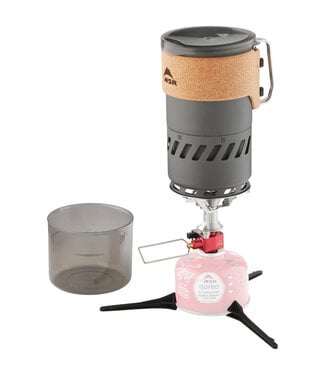
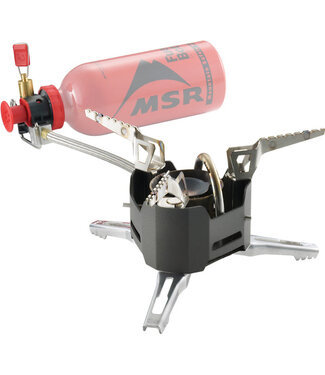
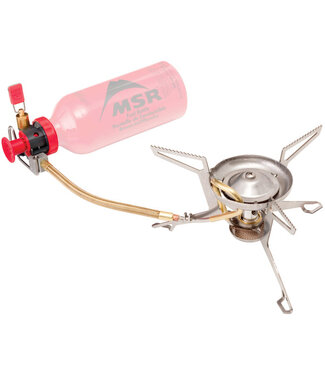
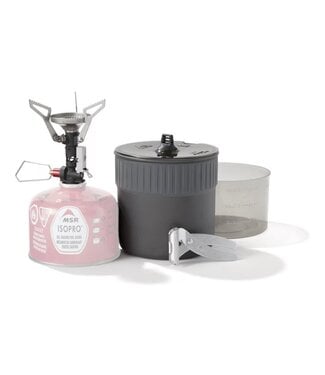
Stoves & Cookware — from the ultra-compact PocketRocket 2 for fast-and-light trips to the field-repairable XGK for serious expeditions, MSR stoves are engineered for reliability in conditions where failure isn't an option.
Water Treatment — MSR water filters and purifiers are designed for backcountry use where water sources are uncertain. Lightweight, field-maintainable, and tested to perform across a wide range of water quality conditions.
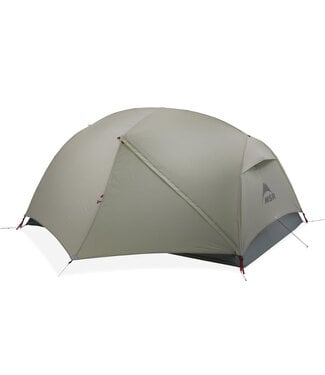
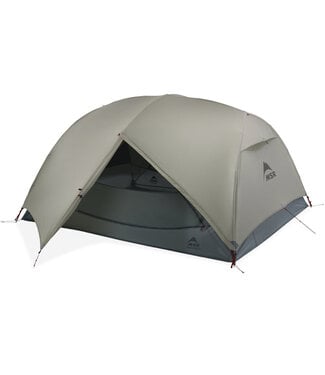
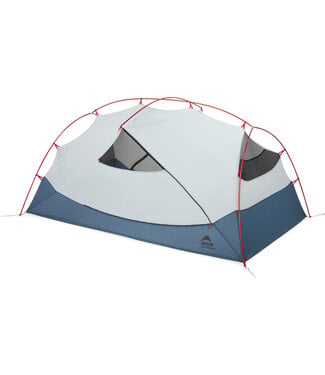
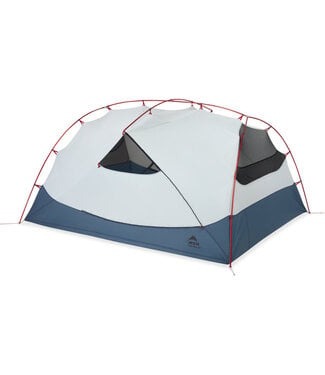
Tents & Shelters — MSR tents are built for real weather. Fully seam-taped, structurally tested, and designed to stand up in the kind of conditions that send other tents home early.
MSR gear has been carried on expeditions to the world's highest peaks, through the most remote terrain, and back to family campsites on weekend trips. The brand's credibility comes from one place: it actually works, under real conditions, over the long term.
That standard hasn't changed since Larry Penberthy first decided the industry needed to do better.